2023
Archive images, family album, photograph, photocollage
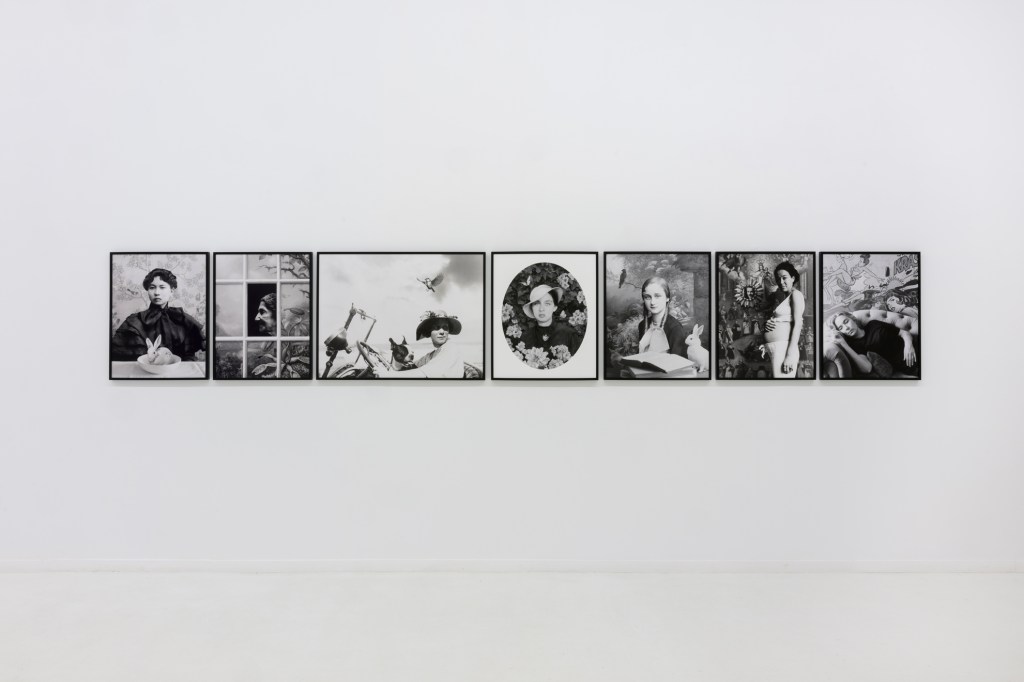
Todas mis sangres. Exposición Womankind, ADN Galería, Barcelona 2024. Photo Roberto Ruiz
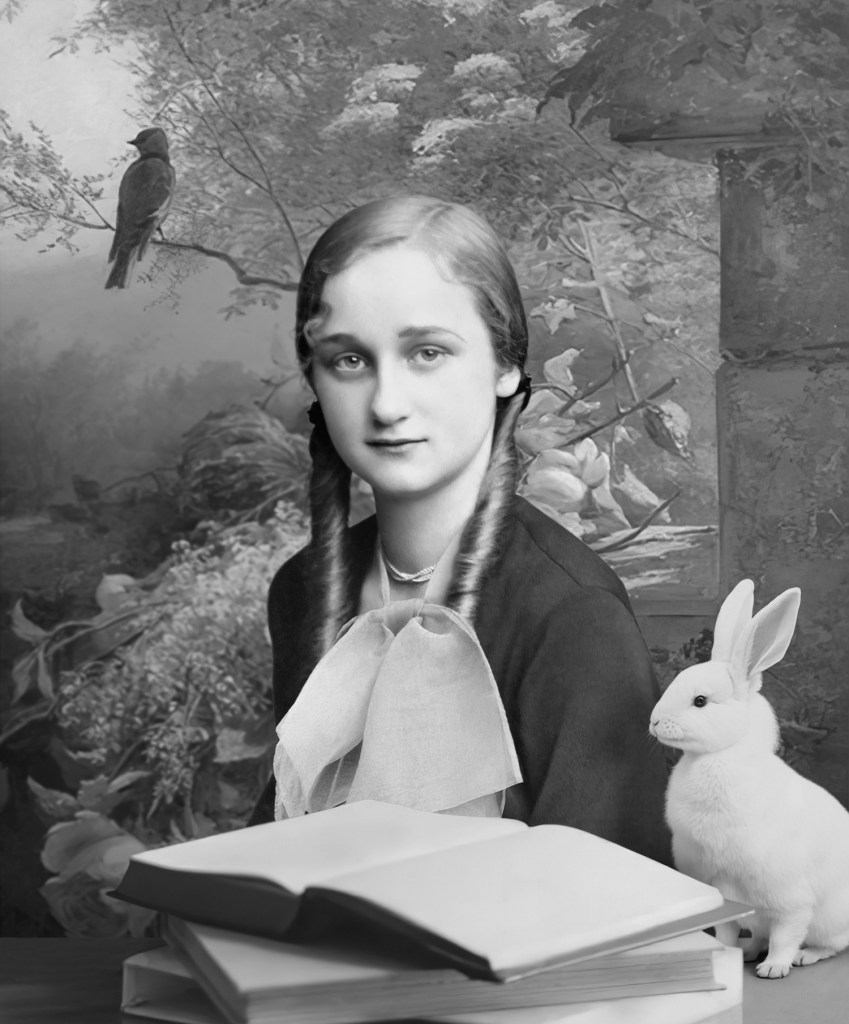
Photography allowed the transformation of family life into a visual account, which took the form of a family album lovingly looked after and updated by women. This is precisely what María María Acha-Kutscher does in this work, Todas mis sangres
Text
The Family And The Exodus
Carlos Jiménez
Some years ago, I was concerned by the news that the assault on Timbuktu by Islamic radicals had put at risk the genealogy archive holding family trees written by generations of sephardic Jews who, expelled from Spain by Queen Isabella I, had sought refuge in this legendary city. Barely had I reacted to the fear of such unique historical documentation being lost forever when I discovered that the Jews still maintained a tradition begun thousands of years earlier by anonymous scribes. It was they who, in the book of Exodus, had noted the names of the families led by Joseph who had emigrated to Egypt, from where they were to be expelled several centuries later. This expulsion was to be the first of many which helped shape the character of this hardy people. Putting their genealogy in writing was, they soon discovered, a vital means of staying true to themselves no matter where in the world their itinerancy would lead them.
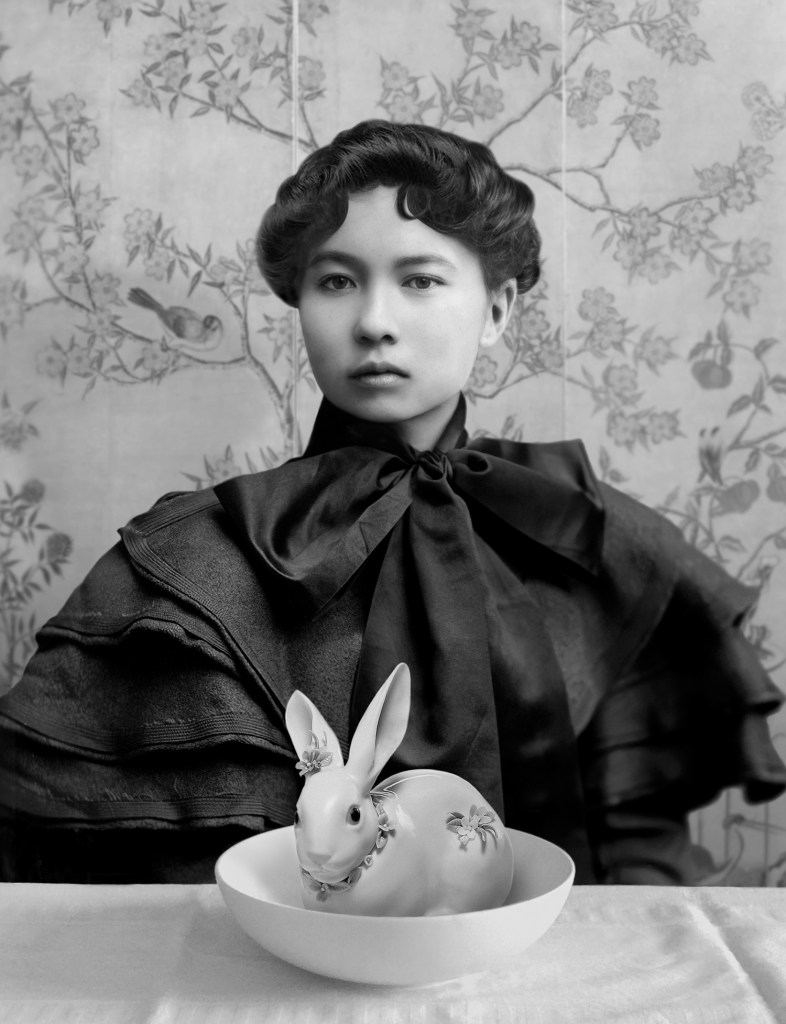
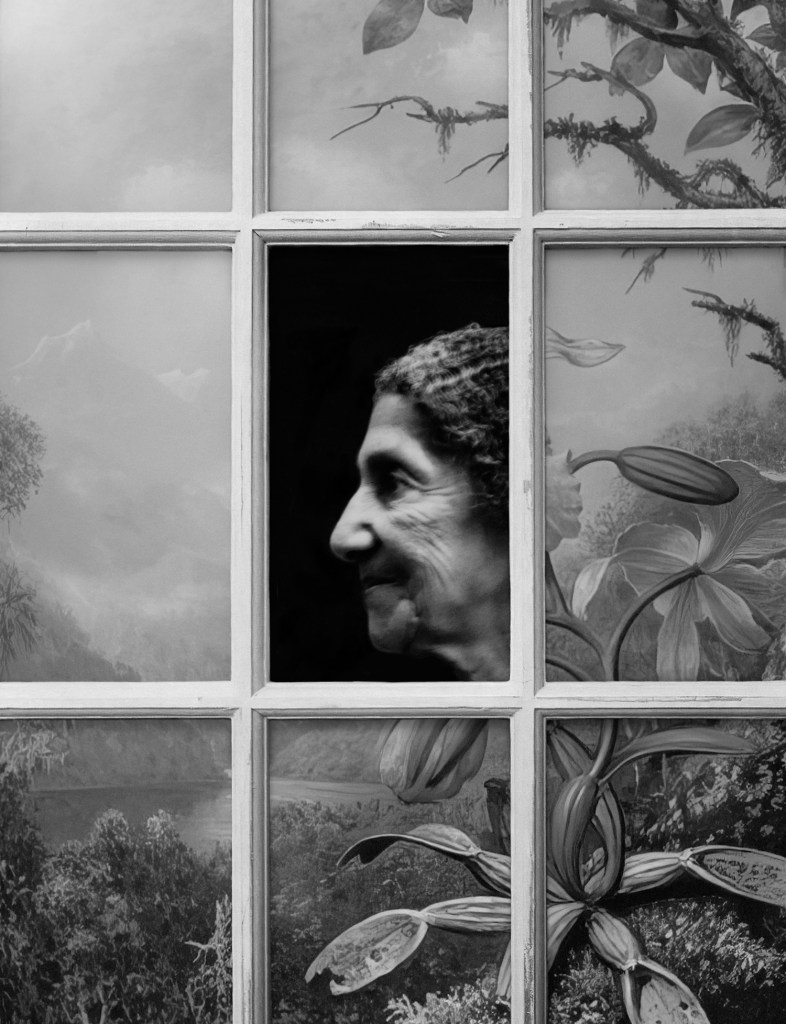
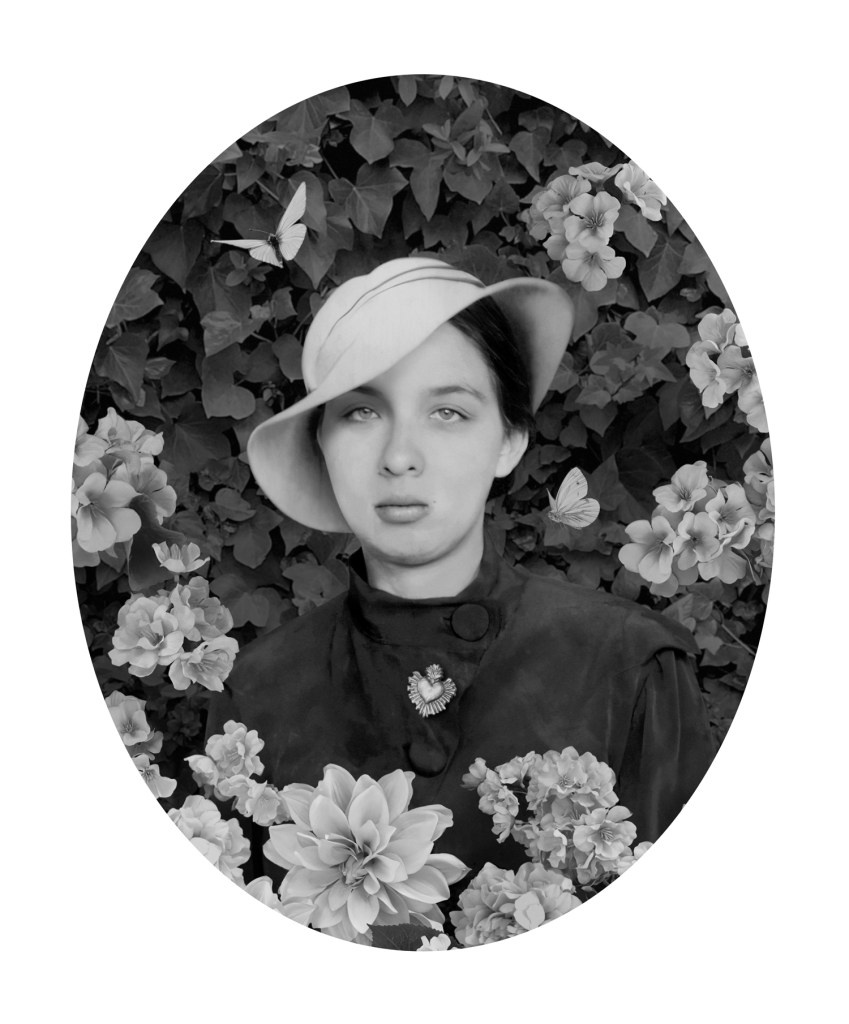
The popularization of photography at the start of the twentieth century, helped in no small part by cameras made by Kodak, Agfa and Leica, led to radical changes in this ancient documentary tradition. Suddenly, it was no longer a strictly Jewish phenomenon but a widespread habit adopted by families in modern cities all over the world seeking to overcome feelings of rootlessness. Photography allowed the transformation of family life into a visual account, which took the form of a family album lovingly looked after and updated by women. This is precisely what María María Acha- Kutscher does in this work, Todas mis sangres (All my Bloods). Though it may initially come across as a dazzling collection of portrait photos it is, in fact, a visual genealogy spanning two centuries, featuring all the ancestors of this great Peruvian artist, and blending races, classes, countries and continents. Of course, the ever-present nomadism, through emigration, expulsions or exile, is also intertwined with subjugation and emancipation. Such circumstances are brought to the fore by Acha-Kutscher in the portraits, in order to demonstrate her appreciation for the brave women who went before her. It is within their legacy that she, the eternal emigrant, can finally find her place.
English translation: Ben Roberts
Hace unos cuantos años me impresionó la noticia de que el asedio de Tombuctú por islamistas radicales ponía en peligro la archivo donde se conservaban los libros de familia escritos durante generaciones por los judíos sefarditas que, expulsados de España por Isabel la Católica, buscaron refugio en esa legendaria ciudad. Al temor de que se perdiese sin remedio tan valiosa documentación histórica, le siguió el descubrimiento de que el pueblo judío conservaba viva una tradición que habían inaugurado milenios antes los anónimos escribas que en el libro del Éxodo consignaron los nombres de las familias que, encabezados por José, habían emigrado a Egipto, de donde serian expulsados varios siglos después. La primera de las muchas expulsiones que han forjado el carácter de este pueblo inquebrantable, que pronto comprendió que poner por escrito su genealogía era una manera decisiva de conservarse fieles a sí mismo en medio de la interminable errancia por el mundo en la que terminó convirtiéndose el nomadismo de José y sus hermanos.
La popularización de la fotografía a principios del siglo XX por obra de las cámaras Kodak, Agfa y Leica, produjo cambios radicales en esta milenaria tradición que, de golpe, dejó de ser solamente judía y se transformó en un hábito entre las familias las metrópolis modernas de todo el planeta, asediadas por la anomia y el desarraigo. La fotografía permitió convertir la vida familiar en una crónica visual, cuyo soporte es el álbum familiar y de cuya factura, conservación y amoroso cuidado se encargaron las mujeres. Como lo hace ahora María María Acha- Kutscher, con esta obra, Todas mis sangres. En principio aparece solo una deslumbrante galería de retratos, pero es también una genealogía visual de dos siglos, que incorpora a todas las antepasadas de esta gran artista peruana, en la que se entremezclan razas, clases, países y continentes. Y desde luego el nomadismo que, bajo las formas de la emigración, la expulsión o el destierro, se entrelaza con el sometimiento y la emancipación. Pasiones que ella sublima en estos retratos para dejar bien claro cuán orgullosa se siente de sus antepasadas. Que es en su legado donde ella, emigrante eterna, verdaderamente arraiga.
Beca
Proyecto realizado gracias a las Propuestas Vegap 2022



Exposiciones

 María María Acha-Kutscher